


Flexible Foam Packaging Market Expansion Driven by Customized Cushioning Solutions
- Ajaykumar Patil
- Dec 2, 2025
- 4 min read

Introduction: Growing Demand for Lightweight and Protective Packaging
The rise of e-commerce, advancements in logistics, and the increasing need for product safety during transportation have significantly boosted the demand for innovative packaging solutions. Among the many options available, flexible foam packaging has emerged as one of the most effective due to its resilience, adaptability, and cost-efficiency. From electronics and automotive components to consumer goods and healthcare products, flexible foam plays a vital role in ensuring damage-free delivery and enhancing overall customer satisfaction. As global industries continue to prioritize protective packaging that is lightweight, economical, and sustainable, the flexible foam packaging market is experiencing steady expansion.
Market Overview: Growth Projections and Industry Outlook
The global flexible foam packaging market is witnessing consistent growth as manufacturers shift toward lightweight and eco-friendly packaging alternatives. This trend is further accelerated by the rapid surge in online shopping, expansion of distribution channels, and the need to protect fragile items during storage and transit. According to the Persistence Market Research report, the flexible foam packaging market is expected to grow significantly, rising from US$ 8.7 billion in 2026 to US$ 12.4 billion by 2033. This impressive growth highlights the increasing demand for protective, lightweight, and cost-efficient packaging solutions across various industries, reflecting the market’s robust outlook for the coming decade.
Why Is Flexible Foam Packaging Becoming Increasingly Popular Across Industries?
Flexible foam packaging is gaining widespread popularity because it offers a unique combination of light weight, durability, and cost-effectiveness, making it ideal for a variety of industries. Its ability to absorb shock, resist impact, and provide superior cushioning ensures that products remain safe during transportation and handling. Additionally, flexible foam is highly customizable, allowing manufacturers to tailor packaging to different shapes, sizes, and fragility levels. With the growth of e-commerce, electronics, and healthcare sectors, demand for reliable protective packaging has surged. Moreover, advancements in recyclable and biodegradable foam technologies have made flexible foam a more sustainable and preferred choice.
Get Your FREE Sample Report Instantly – Click Now: https://www.persistencemarketresearch.com/samples/35921
Key Growth Drivers: What’s Fueling Market Expansion
Several factors are contributing to the rapid expansion of the flexible foam packaging market. One of the primary drivers is the booming e-commerce industry, where millions of products are shipped daily across global networks. Protecting delicate items such as electronics, cosmetics, and glassware requires packaging that combines cushioning, shock resistance, and lightweight structure. Flexible foam meets all these requirements while keeping shipping costs low.
Another significant factor is the automotive and electronics industry's reliance on foam materials to secure fragile components during transport. Additionally, the rising focus on sustainability has encouraged the development of recyclable and bio-based foam alternatives, making flexible foam an even more attractive option for environmentally conscious companies. Industries are also increasingly preferring flexible foam due to its cost-efficiency and ability to reduce product damage rates, which directly impacts profitability and customer satisfaction.
Material Advancements and Packaging Innovations
The flexible foam packaging market has benefited immensely from advancements in materials and manufacturing technologies. Polyurethane (PU) foam, polyethylene (PE) foam, and polypropylene (PP) foam are among the most commonly used materials due to their durability, flexibility, and high shock absorption capacity. New formulations of foam now offer enhanced resistance to moisture, temperature variations, and compression, making them suitable for a wider range of applications.
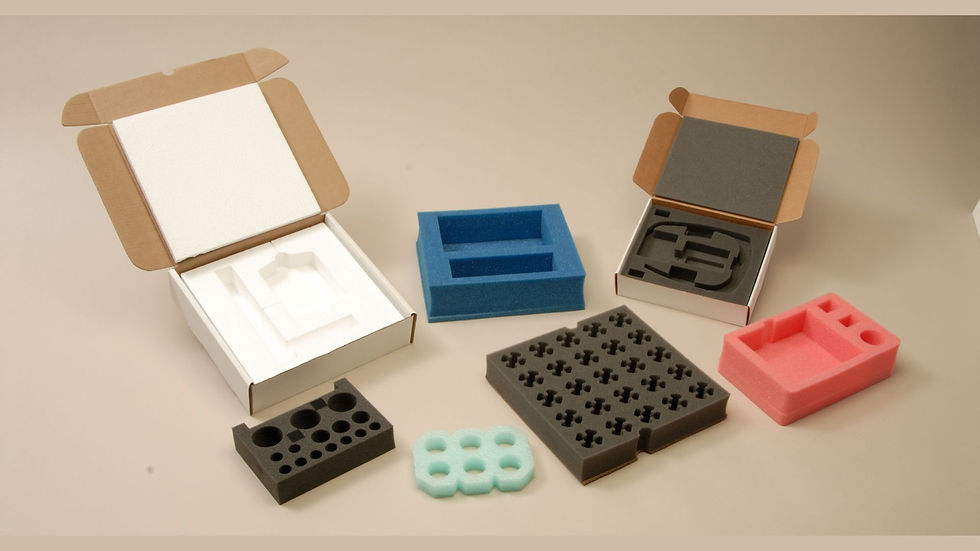
Another major trend is the development of eco-friendly foam packaging made from renewable or recycled materials. Companies are experimenting with plant-based foams and biodegradable polymers to reduce the environmental footprint. Additionally, foam packaging is increasingly being designed with precision-cut shapes, laminated layers, and customizable inserts that provide better protection and reduce material wastage.
Applications Across Key End-Use Industries
Flexible foam packaging is widely used across various industries due to its adaptability and protective abilities. In the electronics sector, foam is used to package items such as laptops, smartphones, semiconductors, and other high-value components that require excellent cushioning. The automotive industry relies on foam packaging for secure transportation of mechanical parts, sensors, and delicate assemblies.
The healthcare and pharmaceutical sectors also contribute to market growth by utilizing foam to protect medical devices, diagnostics equipment, and biotech products. Furthermore, the retail and consumer goods industries increasingly use foam for packaging fragile household items, ensuring safe delivery to end consumers. As industries expand globally, the need for reliable protective packaging continues to grow, boosting the overall demand for flexible foam.
Regional Market Insights and Growth Opportunities
North America and Europe currently lead the flexible foam packaging market due to the presence of major e-commerce players, strict safety regulations, and rapid adoption of sustainable packaging alternatives. In these regions, the demand for shock-absorbing and lightweight packaging is particularly strong across the electronics and automotive sectors.
Asia Pacific is emerging as the fastest-growing region, fueled by its booming manufacturing sector, increasing online retail activity, and rising consumer awareness about product safety. Countries like China, India, and Japan are becoming major hubs for foam packaging production due to lower manufacturing costs and high demand from domestic industries. Meanwhile, Latin America and the Middle East are witnessing steady growth as industries in these regions modernize and expand their logistics networks.
Challenges and Limitations in the Market
Despite its advantages, the flexible foam packaging market faces certain challenges. Environmental concerns surrounding conventional foam materials, particularly those that are difficult to recycle, have led to stricter regulations in many countries. This has pushed manufacturers to invest heavily in R&D to develop greener alternatives, increasing production costs.
Another challenge is the volatility in raw material prices, especially petrochemical-based foams, which can impact profit margins for manufacturers. Additionally, competition from alternative packaging materials such as molded pulp, corrugated solutions, and biodegradable plastics creates pressure for foam producers to continually innovate and differentiate their offerings.
Future Outlook: Embracing Sustainability and Smart Packaging Solutions
Looking ahead, the flexible foam packaging market is expected to evolve significantly as companies focus on sustainability, technological innovation, and customization. Bio-based foams, recyclable foam packaging, and reusable inserts are likely to gain prominence as industries push toward eco-friendly solutions. Smart packaging technologies, such as foam integrated with sensors for tracking temperature or impact levels, may also reshape the market by offering value-added features for high-value shipments.
With the market projected to reach US$ 12.4 billion by 2033, the future holds vast opportunities for foam manufacturers, packaging companies, and logistics providers. As global supply chains become more complex and consumer expectations rise, flexible foam packaging will continue to play a crucial role in ensuring product protection and enhancing the overall shipping experience.
Explore the Latest Trending Research Reports:


Comments